10 for 200: bid the board in Spades
Bid the board and make ten tricks for a 200-point jackpot - Or crash for 200.Deal in for a full match of 10 for 200 right in your browser - four players in two partnerships, playing the high-stakes board rule, played against opponents who bid and defend like real players. Nothing to download, no account needed: the table below is live, so take a seat and start bidding.
How 10 for 200 works
The short version: Bid the board and make ten tricks for a 200-point jackpot - Or crash for 200. You play with four players in two partnerships, playing the high-stakes board rule, using one standard 52-card deck, dealt thirteen to a hand, and it is big-bid and high-variance.
"10 for 200," also called Board Spades, is Partnership Spades with one electrifying twist to the scoring: if your team bids ten or more tricks and makes it, you do not score the usual 100 points - You score a 200-point jackpot. Miss that same bid, though, and you crash for a full 200. The board is the ceiling every ambitious partnership eyes, and the cliff every reckless one falls off. That single rule reshapes the whole game. A hand that a cautious team would bid nine on becomes a tantalizing gamble at ten, because the reward doubles. Comebacks are explosive - A team down by a hundred can leap ahead in a single made board - And leads are never safe. The skill is entirely in judgment: reading when your two hands truly combine for ten tricks, and having the discipline to settle for a safe nine when they do not.
10 for 200 at the table
| Object of the game | Play partnership Spades to 500, but with a jackpot rule: a combined bid of ten or more that you make is worth 200 points instead of 100. Team up and race to the target. |
|---|---|
| Players | Four players in two partnerships, playing the high-stakes board rule |
| Cards | One standard 52-card deck, dealt thirteen to a hand |
| How you win the match | First partnership to reach 500 points wins |
| Luck vs skill | High - Knowing when to reach for the board separates winners from wreckers |
| Family | House Rules |
A hand of 10 for 200, step by step
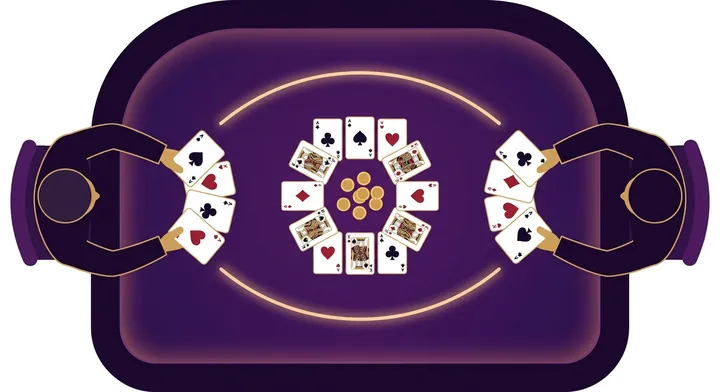
Goal
Play partnership Spades to 500, but with a jackpot rule: a combined bid of ten or more that you make is worth 200 points instead of 100. Team up and race to the target.
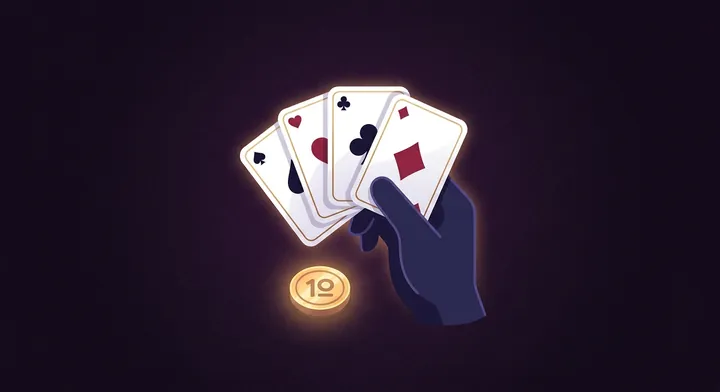
The 10-for-200 bid
Bid as usual, but if your two bids add up to ten or more and you make the contract, you score a 200-point jackpot. Fall short of a ten-plus bid and you lose 200 instead of the normal set penalty.
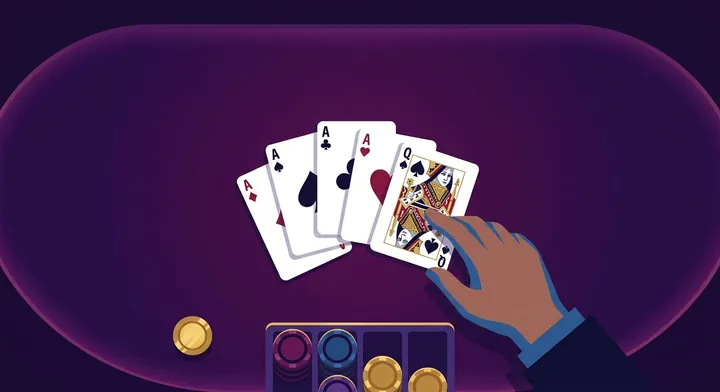
Playing the hand
Trick play is standard Spades: follow suit, spades are trump and must be broken before being led, and the highest spade or led-suit card wins each trick and leads the next.
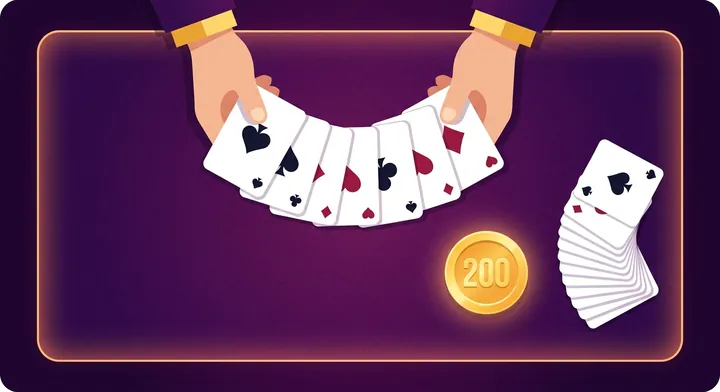
Hitting the board
Reaching for the board means committing to ten or more tricks between you and your partner. Draw trumps, cash your winners, and count carefully - The jackpot only pays if you make the whole bid.
Scoring
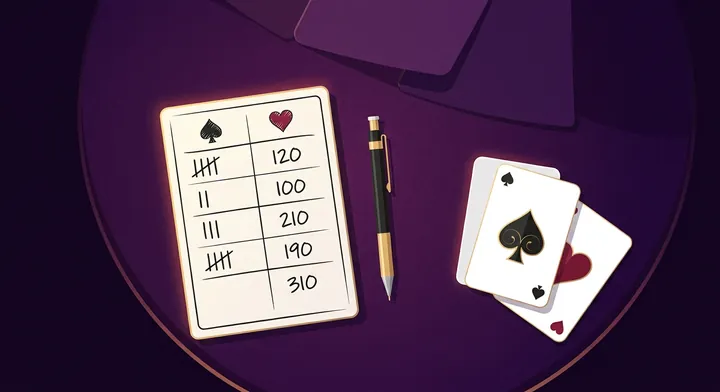
Bids under ten score normally: ten per trick, plus bags, minus ten per trick when set. A made ten-plus bid scores 200; a failed ten-plus bid loses 200. Bags and the 100-point sandbag penalty still apply.
Where 10 for 200 comes from
The 10-for-200 rule is one of the most popular house variations layered onto Partnership Spades, born from players wanting a bigger reward for the game's most ambitious bid. In standard scoring a made ten-trick bid is worth only 100 points, no more valuable per trick than a bid of five; the board rule doubles it, giving the big bid the drama it seemed to deserve.
The variation spread through casual and club play across the United States, prized for the comebacks and swings it produces. Because a single made board can erase a hundred-point deficit, no lead is ever safe, and matches stay tense to the final hand - Exactly the kind of excitement that keeps a table hooked.
Though it is a house rule rather than a formal standard, 10 for 200 is so widely played that many groups consider it the default way to score Spades. It sits alongside the sandbag penalty as one of the two scoring conventions most likely to be in force at a serious Spades table.
Winning 10 for 200: bidding & play
♠ Table wisdom: Only reach for the board when your two hands genuinely add to ten - The 200-point jackpot is seductive, but a crashed board hands the same 200 straight to the opponents.
The tips that move the score the most
- Count trump length across the partnership before committing. Ten tricks almost always needs a long, strong spade holding between you, so weigh your combined trumps, not just your own.
- Use the board as a comeback weapon. When you are down by a hundred or more, a single made board erases the deficit in one hand, so look for the deal that justifies the gamble.
- Deny the opponents their board. If they bid ten, defend to take just one trick off them - Setting a board swings 200 points your way and is the biggest defensive prize in the game.
- Draw trumps early on a board hand. You cannot afford a stray ruff stealing one of the ten tricks you promised, so pull the opposing spades before cashing your side suits.
- Settle for nine without shame. A safe nine-bid that scores 90 beats a greedy ten-bid that crashes for 200, so take the sure points when the tenth trick is not really there.
- Watch the bags even while chasing jackpots. A team that keeps overtricking on smaller bids can still hit the 100-point sandbag penalty and undo a board's gains.
Advanced 10 for 200 tactics
- Treat the board as a probability judgment, not a wish: only commit to ten when your combined trump length and top cards genuinely project to ten tricks, because a crashed board is a 400-point swing against you.
- Inventory the partnership's spades before bidding the board, since ten tricks almost always requires dominant trump control across both hands rather than a scattering of side-suit winners.
- Weaponize the board for comebacks, reserving your most aggressive bids for the deals where a made board would leap you past a leading opponent in a single hand.
- On defense, aim your whole plan at taking one trick off an opposing board, because setting their ten-bid claims the 200-point swing for your side and is worth more than most contracts you could bid.
- Draw the opponents' trumps immediately on a board hand, so no unexpected ruff steals one of the exact ten tricks you have promised.
- Know when to abandon the board mid-decision and settle for nine, banking a safe 90 rather than gambling 200 on a tenth trick that is not clearly there.
- Keep the sandbag count in view even while chasing jackpots, because a board hand that overtricks into a 100-point penalty can hand back much of what it won.
Ways to play 10 for 200
Board value 200 vs higher
The standard reward is 200 for a made ten-bid, but some tables scale it further - Awarding even more for bids of eleven, twelve or thirteen - To reward the very biggest hands.
Blind board
An aggressive twist where a trailing team commits to the board before fully evaluating the hands, layering a blind gamble on top of the already high-stakes rule.
Combined with sandbags
10 for 200 is almost always played alongside the 100-point sandbag penalty, so a team must chase big bids without letting overtricks quietly pile up against them.
Standard Partnership Spades
The base game without the board rule, where a made ten-trick bid is worth only the ordinary 100 - Steadier and less swingy than the jackpot version.
Target to 500 vs 300
Because a board swings 200 points, most groups play to 500 to give the big scores room, though a shorter 300-point target makes each board even more decisive.
10 for 200 questions, answered
What does '10 for 200' mean in Spades?
It is a scoring rule: if your partnership bids ten or more tricks combined and makes the contract, you score 200 points instead of the usual 100 for a ten-trick bid. Fail that bid and you lose 200. It turns a big bid into a genuine jackpot-or-bust gamble.
Why is it called Board Spades?
'The board' is the term for a bid of ten, and reaching it is called 'bidding the board.' The name captures the all-or-nothing nature of committing your partnership to ten or more tricks for the doubled score.
Is 10 for 200 played to a higher target?
Yes, usually to 500, because a single made board is worth 200 points and can swing a match dramatically. The higher target gives room for the big scoring jumps and comebacks the rule produces.
What happens if I bid ten and only make nine?
You crash for 200 points - The same amount you would have won by making it. That symmetry is the heart of the format: the board rewards and punishes equally, so you only reach for it when you are confident of the tenth trick.
Do bids under ten score normally?
Yes. A combined bid of nine or fewer scores the ordinary way - Ten points per trick bid, plus one per overtrick bag, minus ten per trick when set. The special 200-point scoring only kicks in at a combined bid of ten or more.
Should I ever bid the board defensively?
Rarely - The board is an offensive weapon. On defense, your goal against an opponent's board is the opposite: take just one trick to set them and win the 200-point swing yourself, which is usually more valuable than any bid of your own.
Does Nil still work in 10 for 200?
Yes. Nil and Blind Nil are played normally for their usual bonuses and penalties. Because the board demands a high positive bid, a Nil from one partner and a big bid from the other rarely combine into a board, so the two big plays tend to be separate choices.
How do bags work with the board rule?
Bags are unchanged - Overtricks beyond your bid still accumulate, and ten of them still cost 100 points. A made board that also piles up bags can quietly erode its own jackpot, so precise play still matters even on a big hand.
What makes a hand worth bidding the board?
A partnership needs roughly ten combined winners, which almost always means a long, strong spade holding across both hands plus a scattering of side-suit aces. If your trumps and top cards do not clearly reach ten, a safe nine is the disciplined call.
Is 10 for 200 harder than regular Spades?
It is more volatile rather than harder to learn - The rules of play are identical. The added skill is judgment: correctly reading when a hand is truly a board and resisting the temptation when it is not, because the penalty for guessing wrong is severe.
Can the board rule cause big comebacks?
Absolutely, and that is its appeal. A team trailing by a hundred or more can leap into the lead with one made board, so no lead is ever safe and every hand carries the possibility of a dramatic swing right up to the final deal.
How is 10 for 200 different from normal Partnership Spades?
Only the scoring of a ten-plus combined bid changes: it pays 200 for a make and costs 200 for a set, instead of the standard 100. Everything else - The deal, trump rule, following suit, Nil, and bags - Is exactly the same as ordinary Partnership Spades.
Keep learning 10 for 200
Still puzzling over 10 for 200? Read the full Spades FAQ, look up a term like nil or bag in the Spades glossary, or compare 10 for 200 with every other version in the complete rules of Spades.
Last reviewed .